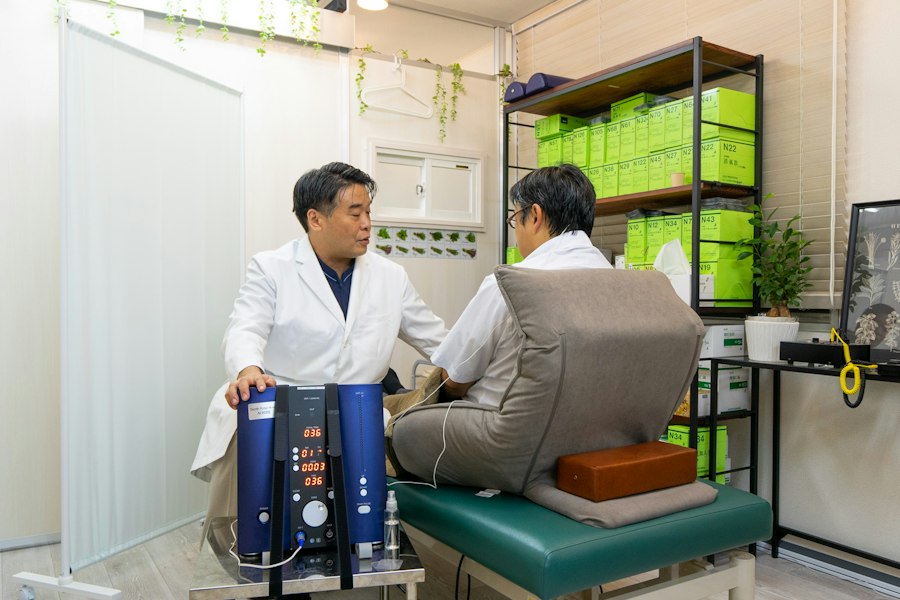
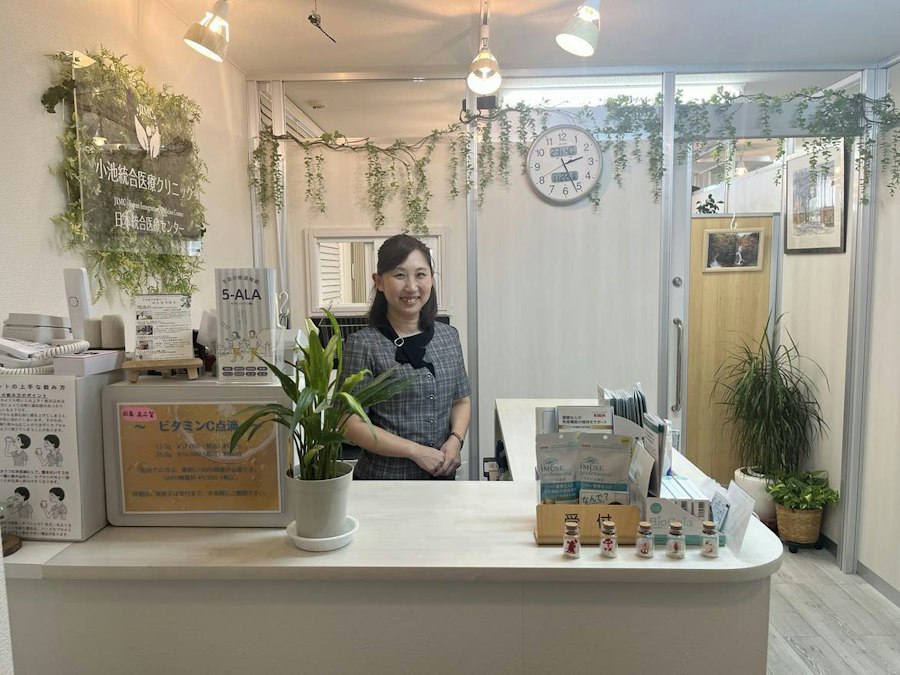
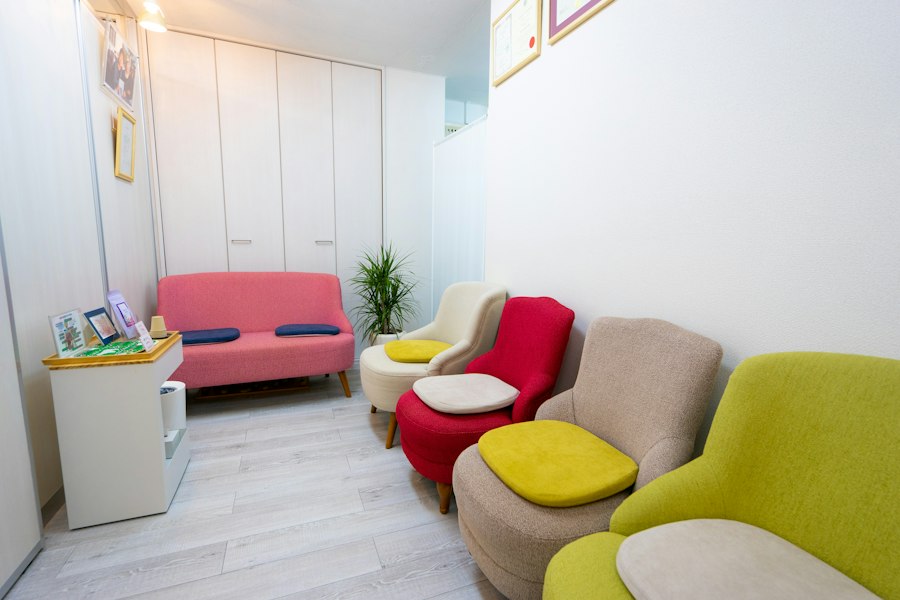
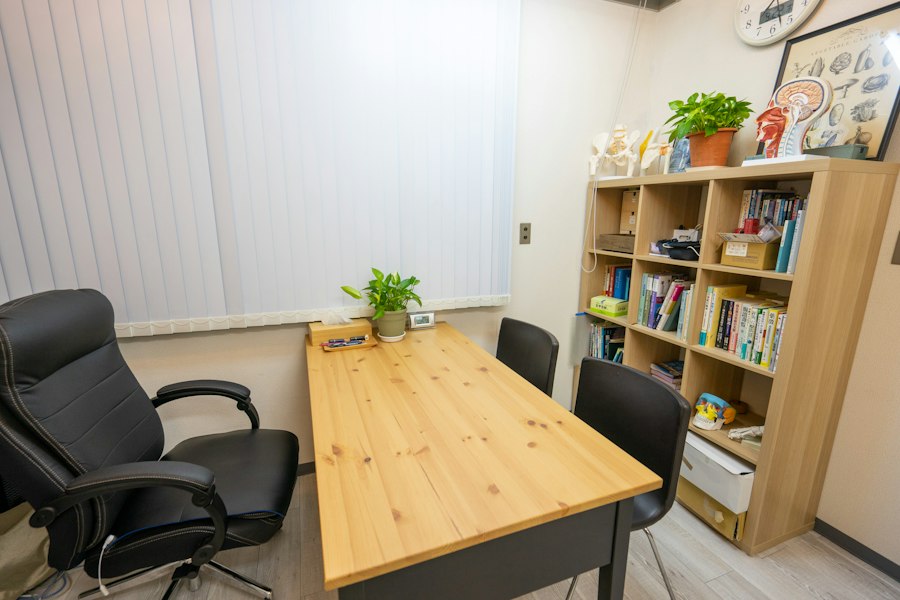
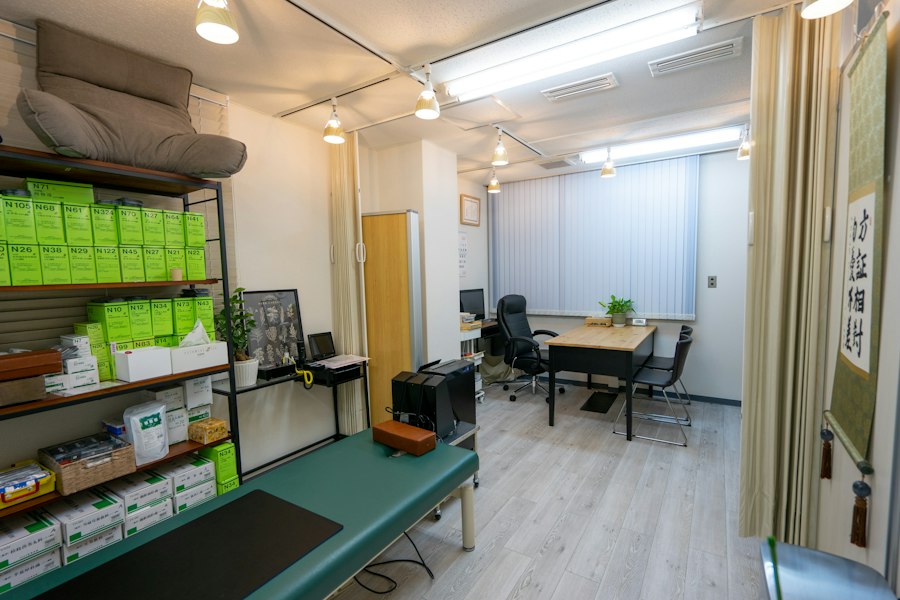
Opened in Yotsuya, Tokyo in 2007, Koike Integrative Medical Clinic specializes in integrative medicine and offers a range of complementary approaches, particularly Kampo medicine and acupuncture. Its philosophy emphasizes each individual and working with patients to explore their capacity for healing.
Director Dr. Hiroto Koike wrote an explanatory article on the proposed mechanisms of the QPA® low-frequency therapy device for the August 2026 issue of Precision Medicine. We asked how the clinic incorporates our devices into its practice.
Another tool alongside acupuncture and bloodletting
What characterizes your clinic?
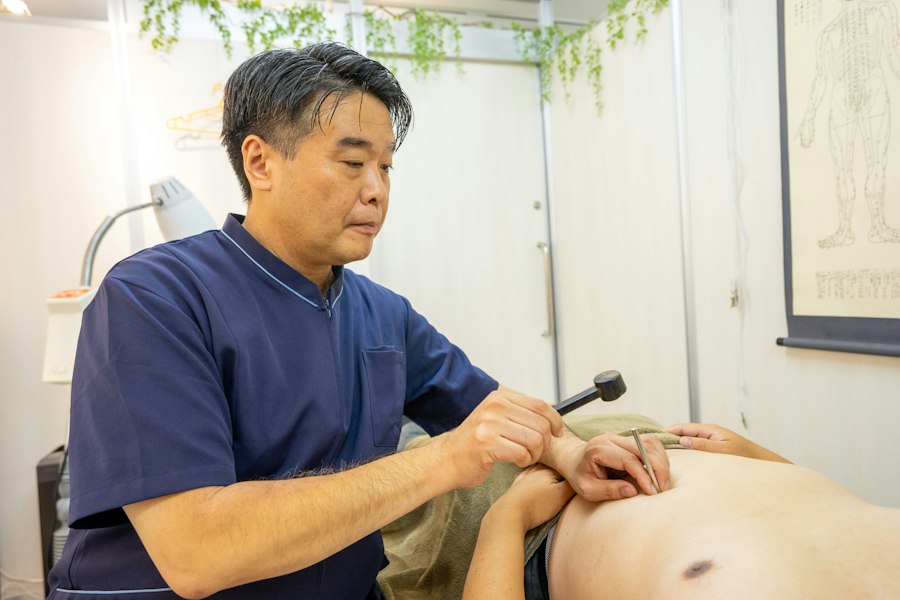
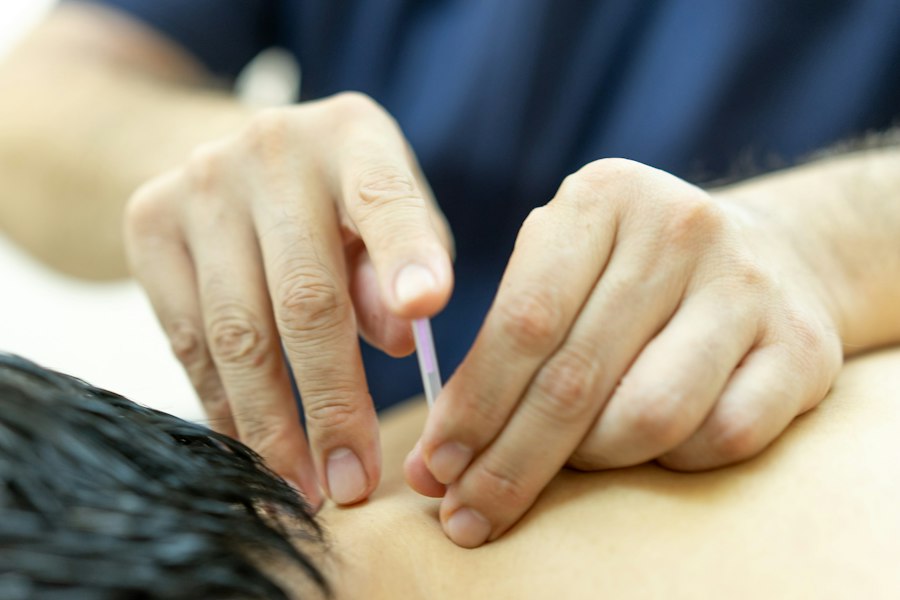
We specialize in integrative medicine, with a focus on Kampo and acupuncture suited to the Japanese context. As a physician, I personally perform all acupuncture treatments. We also offer bloodletting and hydrodissection to release adhesions in deeper fascial tissue. Our aim is to explore the inherent capacity for healing together with each patient. That collaborative process is central to our approach.
What led you to introduce a low-frequency therapy device?
We had already been combining acupuncture with electrical stimulation approaches such as Ryodoraku and pulse stimulation. I wanted to learn more about frequency-based approaches to connections throughout the body, which led me to ASIAS. Experiencing the device myself and studying its operation, I felt that fascia offered a useful perspective for considering many of the responses. That was a major reason for introducing it.
What were the deciding factors?
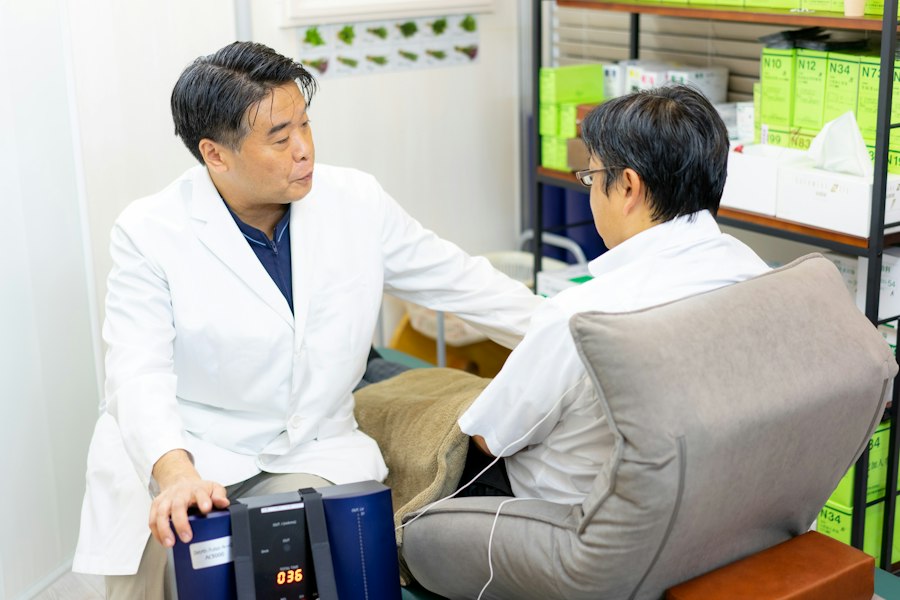
Japanese medical-device certification as a low-frequency therapy device was essential for us as a medical institution. The ability to select frequency combinations for each individual, and to use the device while the patient sits in a reclining chair with little physical burden, were also important.
An option used alongside conventional care
How do you use it in your practice?
We use it before or after acupuncture or hydrodissection, and suggest it as one option to combine with other care during integrative medicine consultations. We position the device as an adjunct to conventional care.
What feedback do patients give?
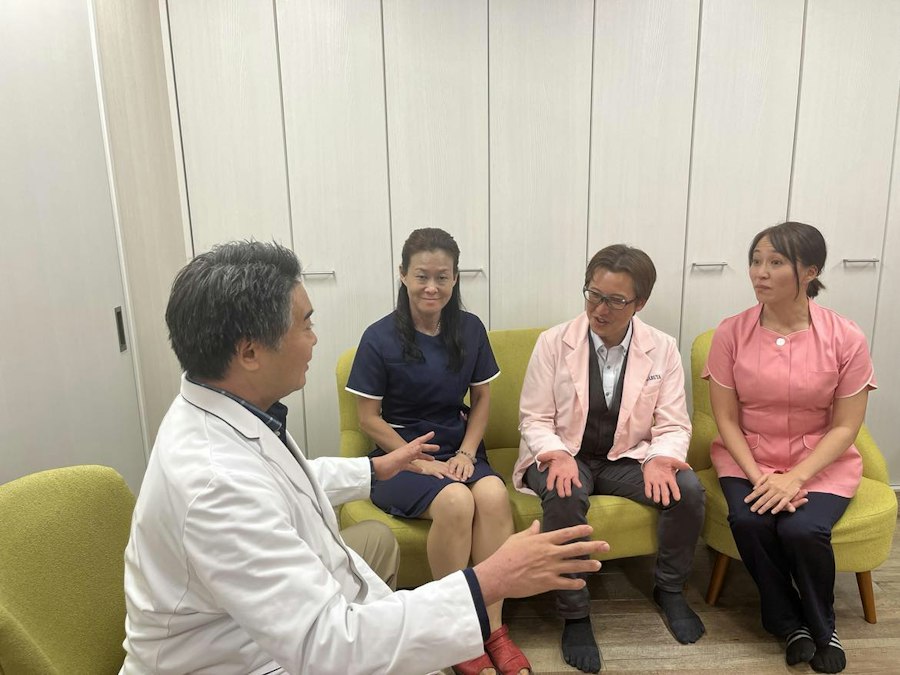
Many say that sitting during a session is comfortable or relaxing. Some people are uncomfortable with electrical stimulation, so we adjust output and duration while observing each person. Sessions also create an opportunity to discuss how patients are feeling, which I value in integrative practice.
Discussing mechanisms in medical terms
You wrote about QPA® mechanisms in Precision Medicine.
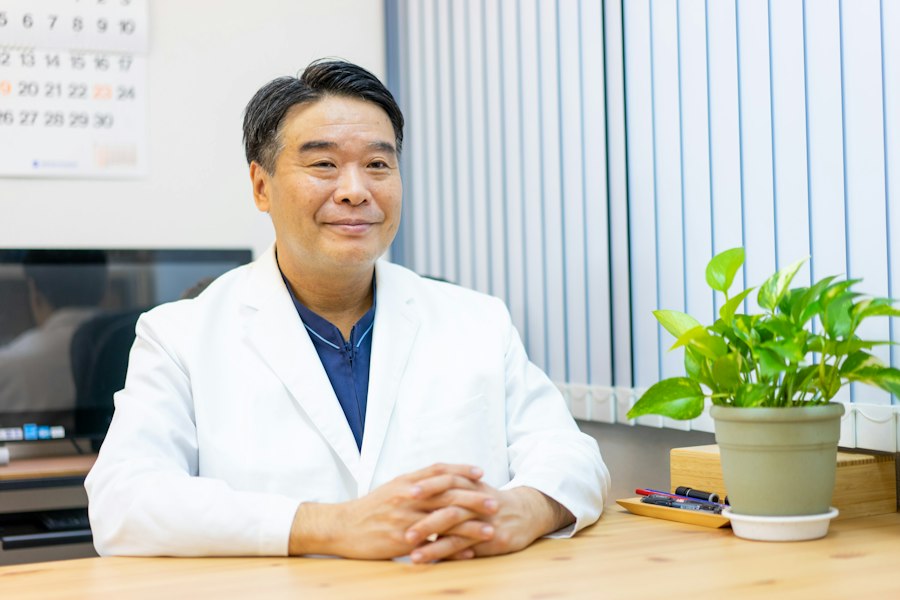
Looking at fascia as a body-wide network offers a perspective for reconsidering responses that have been difficult to describe. In the article, I discussed proposed mechanisms in relation to peripheral circulation and energy metabolism. Related material is also scheduled for presentation at the 30th Annual Meeting of the Japanese Society for Integrative Medicine in Saitama in December 2026.
What would you like to see in the future?
Integrative medicine involves patients and healthcare professionals exploring the potential for healing together. I hope knowledge about frequency-based approaches will be shared among healthcare professionals and discussed in precise terms.
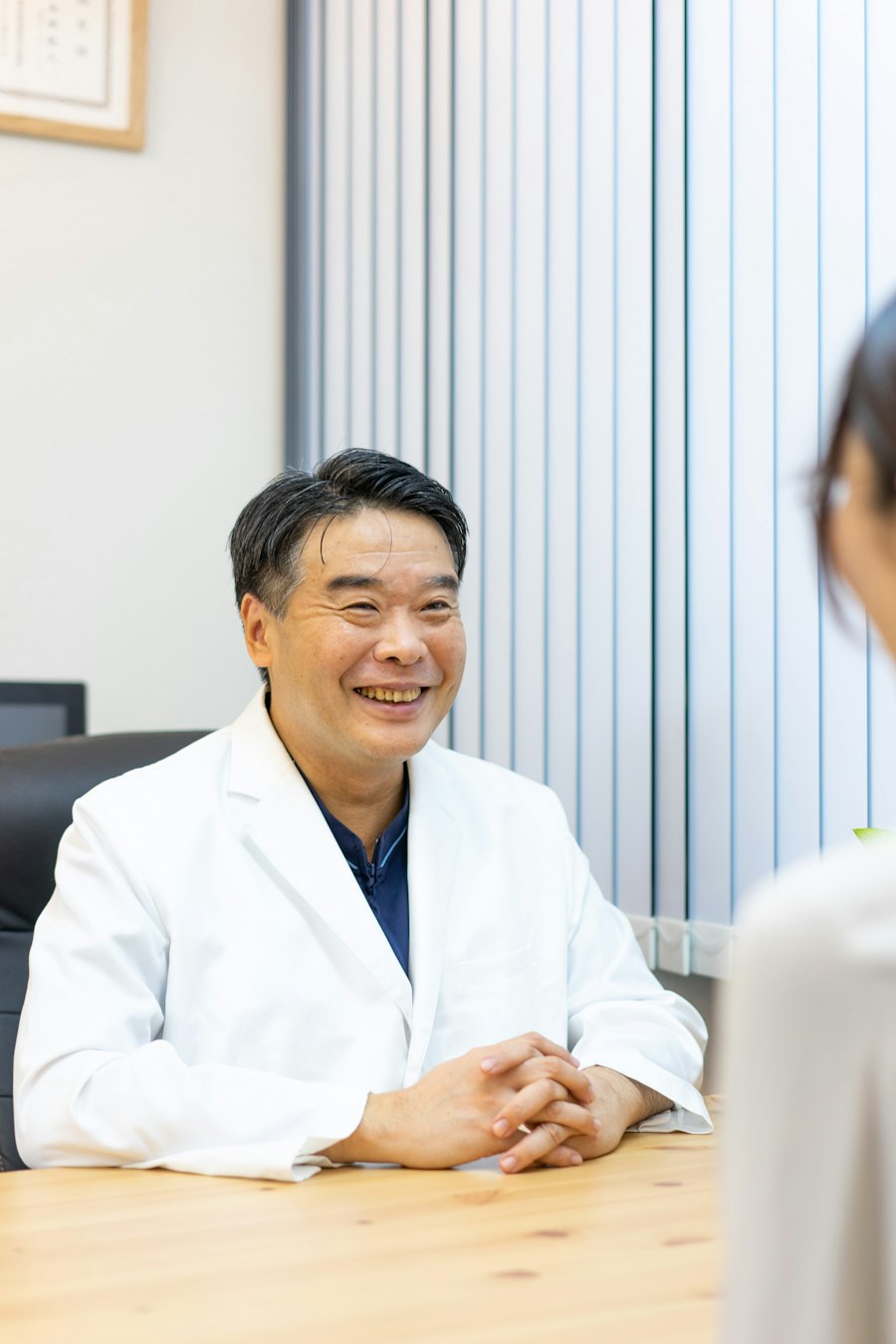
Hiroto Koike, MD, PhD
Graduated from Gunma University School of Medicine in 1995 and completed a doctorate there in 2001. Completed the University of Arizona integrative medicine program in 2004. Established Koike Integrative Medical Clinic in 2007. Received a master’s degree in philosophy from the Graduate School of Social and Cultural Studies at Nihon University in 2016.
Selected books include Why Does Pain Disappear When Fascia Resonates?!, Understanding Integrative Medicine, and The Philosophy of Integrative Medicine (English renderings of Japanese titles).
English titles below are translations of the Japanese titles.
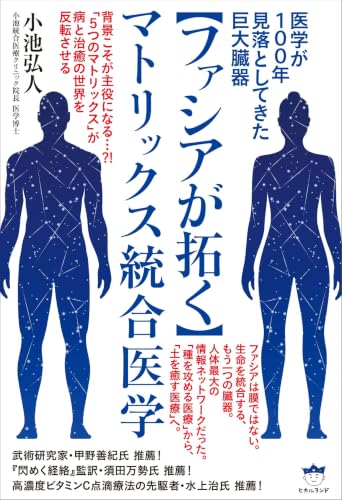
Matrix Integrative Medicine: The Possibilities Opened by Fascia
A Japanese-language book exploring integrative medicine through five matrices, from the extracellular matrix to the unconscious and relationships between people. Dr. Koike considers perspectives on life and medicine that encompass the body and its surrounding environment.
English titles below are translations of the Japanese titles.
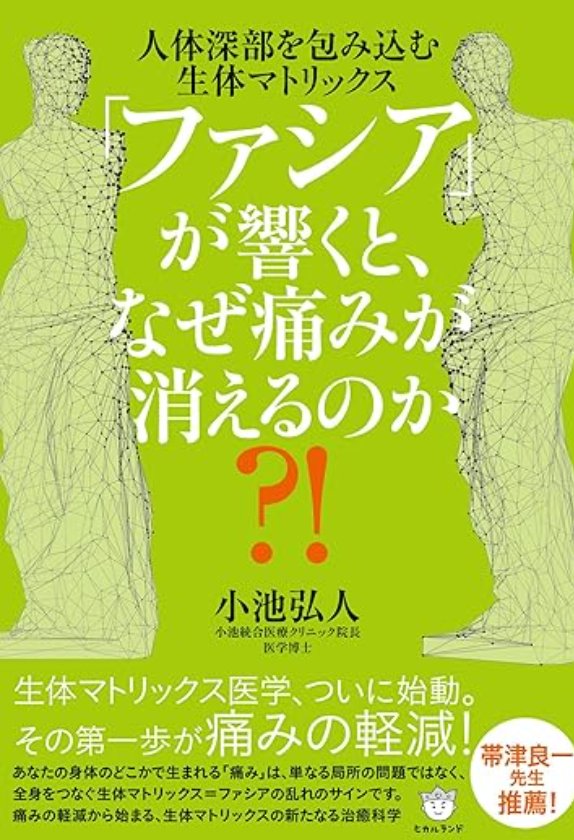
Why Does Pain Disappear When Fascia Resonates?!
A Japanese-language book considering AWG ORIGIN® / QPA® through fascia, body-wide networks, and biological regulation. Dr. Koike discusses proposed mechanisms in relation to EZ water and dynamic equilibrium, viewing fascia as a biological matrix.
The devices shown are certified in Japan as Class II controlled medical devices in the low-frequency therapy device category and require specified maintenance. Certification numbers are AC5000 230ADBZX00035000 and AC6000 303AGBZX00016000. The intended use stated in their Japanese labeling is transcutaneous nerve and muscle stimulation for pain relief and improvement of muscle atrophy. This page presents the facility’s views and experience and does not establish product efficacy.